讲得很棒,赶紧分享给小伙伴
观看地址
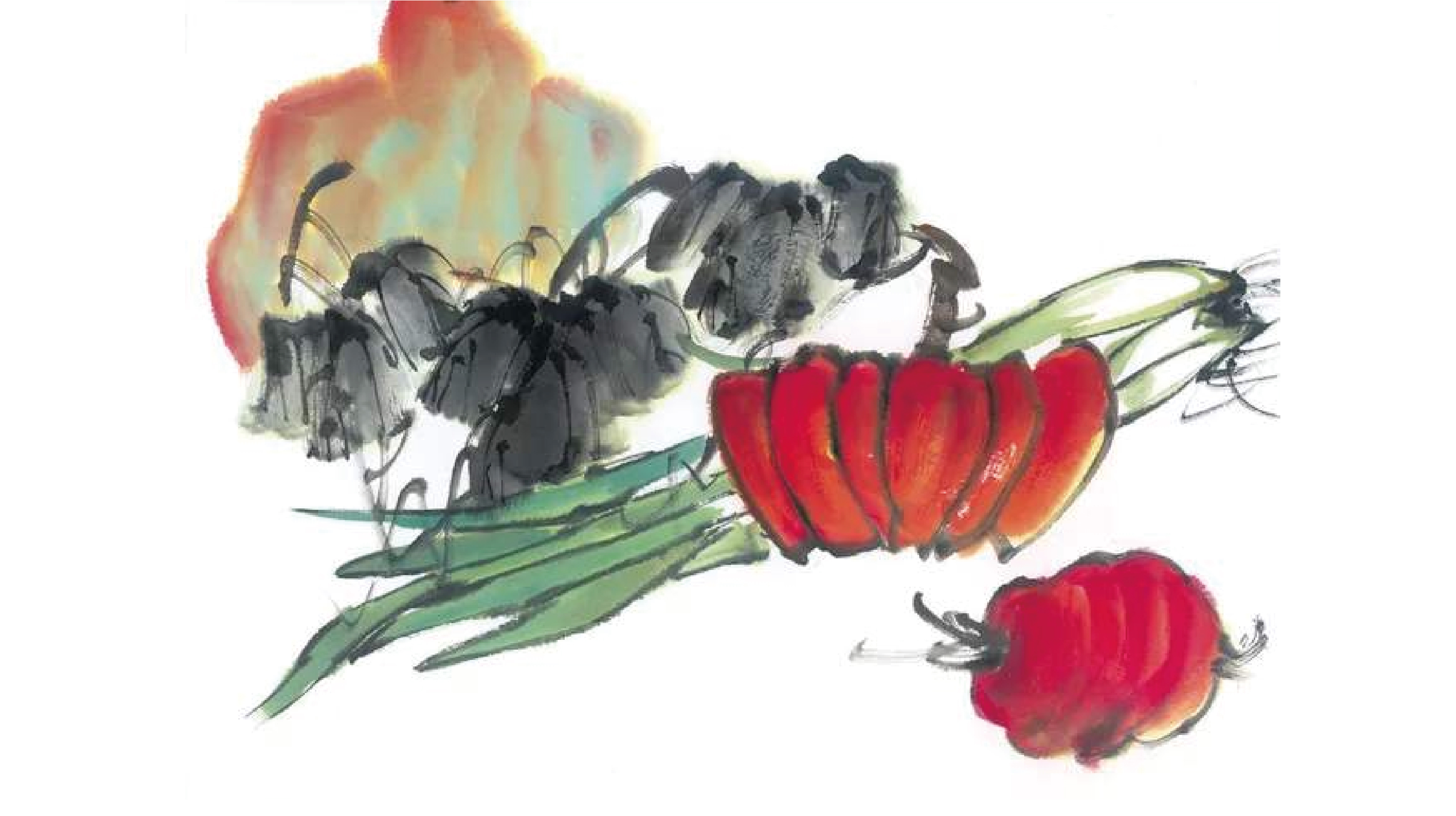
调养身体汤羹茶饮推荐
专家简介



十七、中医里面常说的“宁神静气”“婉然从物”是什么意思?宁神静气、婉然从物对于防疫有哪些帮助?
17. Classical Chinese medicine advises us to “calm the spirit and quiet the heart” and “accept all things with equanimity.” How is this advice helpful for preventing illness during this epidemic?
宁神静气就是使精神安宁,使心气平和。婉然从物指与外物和谐共处,为君子之态。也就是人面对世事需要淡然,遇到这种突如其来的疫情更应该努力保持婉然从物的态度,从而更好地顺应变化。在生活中,尤其是受到外界事物的干扰打击时,更要保持思想安闲清净,精神守持于内而不受纷乱忧思杂念的打扰,做到“恬惔虚无”“精神内守”,保持思想安闲清净、排除不良情绪,真气(即正气)就会顺畅、调和,精神也会守持于内。如此,疾病便无从发生。
“Calm the spirit and quiet the heart” means to set your mind at ease and let your heart be at peace. “Accept all things with equanimity,” means to seek harmony with whatever we encounter in our environment and to strive to emulate the sages. As people face this new situation they should be cool-headed and reasonable, and strive to maintain an attitude of calm acceptance even as we face this sudden outbreak. This will allow us to flexibly adapt to any changes. In life in general, when we encounter challenges and disruptions in the outside world, we should keep our thoughts clear and calm, and not allow our inner equanimity to be disrupted. When we eliminate negative moods, our true qi (healthy qi) will flow freely and harmoniously coordinate the functions of our body. Our mind will be focused within and not be disturbed. We will thus not be as vulnerable to illness.
同时还要适应季节的变化,与天地之气相适应,《素问·四气调神大论》云:“春三月,此为发陈……以使志生,生而勿杀,予而勿夺,赏而勿罚,此春气之应,养生之道也……”现值初春时节,乍暖还寒,当使情志舒缓升发,追求恬淡愉悦,保持体内与外界的阴阳平衡。
At the same time, we should also adjust to the seasons and adapt to the changes in the Qi of heaven and earth. In the Su Wen chapter “Great Discourse on Adjusting the Spirit-shen to the Four Seasons,” it states, “ In the three months of spring, the old is developing anew…the will is also stirred. One should generate but not kill, give rather than take and reward but do not punish. This is adapting to spring.” We are now in early spring, with warm days and spells of cold. We should let our spirits soar and pursue things that make us happy, maintaining yin and yang balance between our inner world and the outer world.
健康的心理状态对于人的身体健康具有积极的促进作用,目前人们多对新冠肺炎具有恐惧悲观心理,这些不良的心理状态会对疾病的防治产生不利的影响,因此在发现自身情绪状态不佳的时候需要及时针对情绪进行疏导,必要时求助相关心理咨询,尽可能做到宁神静气、婉然从物。目前在相关报道中可以看到,在方舱医院隔离的人中不乏读书,备考,甚至跳起广场舞的,这样豁达乐观的态度对促进疾病康复具有促进作用。
A healthy psychological attitude is important for promoting and maintaining our physical health. At this point, many people are afraid and pessimistic about the novel conronavirus. But this state of mind will negatively impact our ability to prevent and treat illness. When we find ourselves feeling this way, we should immediately act to change our mood and seek counseling. As much as possible, we should strive to maintain equanimity and calmly accept whatever we encounter. For example, in the temporary hospitals we see that people are still reading, preparing for exams, and even organizing “square dancing.” These activities create even more optimism and are very beneficial for our recovery.
十八、哪些饮食疗法可以调适情志、调节身体机能?
18. What kinds of dietary changes can positively affect our moods and help regulate the functions of our bodies?
饮食有节、忌食辛辣煎炸油腻之品,戒烟限酒等都是养生的基本原则,还可通过一些食疗的方法,依肝郁、肝火不同,进行适宜调适。下面列举一些食疗方法,不必拘泥。
We should follow basic health cultivation advice to eat regularly and eliminate spicy, fried, greasy and rich foods, and avoid smoking and drinking alcohol. We can also use specific dietary therapy targeting liver qi stagnation or liver fire. Below are some suggestions for dietary therapy. They may be adapted flexibly and need not be followed to the letter.
(一)蔬菜水果
若见肝郁,心情郁闷者,可多吃些具有疏肝理气作用的蔬菜水果,如香菜、芹菜、橙子、柚子、白萝卜、柑橘、茼蒿、西红柿等;药食同源的食物,如代代花、佛手、麦芽、香橼、紫苏、陈皮、玫瑰花等。
(A)Fruits and Vegetables
If a patient has liver Qi stagnation with depressed moods, he or she can eat fruits and vegetables that smooth the liver and regulate qi, such as coriander, celery, orange, grapefruit, turnip, citrus, artemisia, and tomato. Medicinal foods include: bitter orange flower, bergamot, malt, citron, perilla seed, tangerine peel and rose.
若见肝火,口干口苦,急躁易怒者,可多吃些具有疏肝泻火作用的蔬菜水果,如苦瓜、苦菜、苦菊、白菜、包心菜、绿豆芽、黄豆芽、草莓、李子、青梅、金针菜、油菜、丝瓜等;药食同源的食物,如栀子、菊花、菊苣、蒲公英、薄荷、决明子等。
If there is liver fire with dry mouth and a bitter taste in the mouth, agitation and being easily angered, then one can eat the following foods that smooth the liver and drain fire: bitter melon, bitter cabbage, bitter chrysanthemum, bok choi, cabbage, green bean sprouts, soybean sprouts, strawberries, plums, green plums, crocus, rapeseed, and silk melon (loofah). Medicinal foods include: gardenia, chrysanthemum, chicory, dandelion, mint, and Cassia seed.
中医认为“见肝之病,知肝传脾,当先实脾”,还可多吃些具有健脾和胃作用的蔬菜水果,如苹果、红薯、南瓜、胡萝卜、香菇、板栗等;药食同源的食物,如健脾和胃的山药、大枣、山楂、白扁豆、白扁豆花、沙棘、鸡内金、砂仁、茯苓、薏苡仁等,养血安神的莲子、酸枣仁、桂圆、百合、牡蛎、阿胶等。
A classic saying in Chinese medicine is: “When you see that the liver is diseased, you know that it may be transferred to the spleen, therefore we should first build up the spleen.” [This is a saying that is based on the patterns of disease progression in the five-phase model of the body.] Therefore we can also choose foods that build the spleen and harmonize the stomach: apples, sweet potatoes, pumpkin, carrots, shiitake mushrooms, and chestnuts. Medicinal foods that build the spleen and harmonize the stomach such as: yam root, jujube, hawthorn, white lentils, white lentil sprouts, sea buckthorn, chicken gizzard lining, fructus amomi, and coix seeds. The following foods that nourish the blood and calm the spirit, inlcluding lotus seeds, jujube kernels, longan fruit, lily, oysters, and gelatin.
(二)汤羹茶饮
1.合欢花粥
原料:合欢花15克,梗米50克,百合30克。
制法:将合欢花、粳米、百合共入锅中,加适量水煮粥。
应用:作餐食用。
功效:合欢花性平,味甘,能安神解郁。百合性微寒,味甘,具有清心安神、润肺止咳的功效。梗米性平,味甘,可健脾和胃、生津除烦。
(B) Soups, Porridges and Teas
1.Acacia Flowers Congee
Ingredients: 15 grams of acacia flowers, 50 grams of polished, round-grain rice, 30 grams of lily bulbs
Method: Put acacia flowers, rice, and lilies into a pot together with water [usually 8 to 1 ratio], bring to a boil, then simmer until desired porridge consistency.
Application: regular meal
Functions: Acacia flower is bland, sweet, and has the effects of soothing the spirit. Lily is slightly cold and sweet, and has the effects of refreshing and soothing, moistening lungs and relieving cough. The round-grain rice is bland and sweet, and it can strengthen the spleen and stomach, and dispel irritability.
2.玫瑰茉莉饮
原料:玫瑰花、茉莉花各6克。
制法:将玫瑰花、茉莉花共入杯中,用沸水冲泡。
应用:代茶频饮。
功效:玫瑰花性温,味甘、微苦,能行气解郁、活血止痛。茉莉花性凉,味辛、甘,具有理气解郁、芳香化浊的功效。二物合用,共奏疏肝解郁之效。
2.Rose-Jasmine Tea
Ingredients: Rose 6g; Jasmine 6g
Method: Place the ingredients in a glass and infuse with boiling water
Application: Drink frequently as a substitute for tea or water.
Functions: rose is warm, sweet and slightly bitter, and can move qi and resolve stagnation, and activate the blood and stop pain. Jasmine is slightly cool, acrid and sweet, and can regulate the qi and resolve stagnation, and is an aromatic substance that transforms turbidity. When used together, they are effective for resolving liver qi stagnation.
3.龙眼莲子粥
原料:龙眼肉20克,莲子30克,粳米100克。
制法:将上述诸物一起入锅中,加适量水,用小火煮成粥。
应用:睡前2小时服食。
3. Longan Lotus Seed Congee
Ingredients: 20 grams of longan meat, 30 grams of lotus seeds, 100 grams of polished, round-grain rice
Method: Put the above things into the pot together, add an appropriate amount of water, and cook over low heat.
Application: Take 2 hours before bedtime.
功效:龙眼肉性温,味甘,能补益心脾、养心安神、滋养强壮。莲子性平,味甘,能补脾止泻、益肾涩精、养心安神。《本草纲目》谓其“交心肾,厚肠胃,固精气,强筋骨,补虚损”。粳米可益气、生津、和中。诸物合用,共奏健脾补心、养血安神之效。
Functions: Longan is warm and sweet, can supplement and boost the heart and spleen, nourish the heart and calm the spirit, and is nourishing and strengthening. Lotus seeds are neutral and sweet, and can nourish the spleen and relieve diarrhea, benefit the kidney and astringent essence, and nourish the heart and calm the spirit. Ben Cao Gang Mu states that it can “connect the heart and kidney, thicken the intestines and stomach, solidify essence, strengthen muscles and bones, and supplement vacuity and degeneration." Round-grain rice can benefit Qi, generate fluids and harmonize the center. When eaten together they have the functions of strengthening the spleen, nourishing the heart, nourishing the blood and soothing the spirit.
4.莲子瘦肉汤
原料:猪瘦肉250克,莲子、百合各30克,调料适量。
制法:将猪瘦肉洗净,切成块,与莲子、百合共入沙锅内,加适量水煮熟,用调料调味即可。
应用:佐餐服食。
4. Lotus Seed Pork Soup
Ingredients: 250g lean pork, 30g lotus seed and 30g Lily Bulb, season to taste
Preparation method: Wash the lean pork, cut it into pieces, put it into a casserole or similar soup pot with the lotus seeds and lily bulb. Add water to cook it, and add seasoning.
Application: eat with meals
功效:莲子性平,味甘,能补脾止泻、益肾涩精、养心安神。百合性微寒,味甘,能清心热、养心阴、宁心神。猪肉性平,味甘,有滋阴润燥、益气生津的功效。诸物合用,共奏益气健脾、养心安神之效。
Functions: Lotus seed is neutral in nature and sweet in taste. It can nourish the spleen, stop diarrhea, nourish the kidney and astringent essence, nourish the heart and calm the spirit. Lily bulb is slightly cold and sweet. It can clear heart heat, nourish heart Yin and calm the spirit. Pork is neutral in nature and sweet in taste. It has the functions of nourishing yin, moistening dryness, benefiting qi and generating body fluid. When used together they benefit Qi, build the spleen, nourish the heart and calm the mind.
十九、湖北省中医药学会老年医学专业委员会关于老年人新型冠状病毒肺炎专家共识的主要内容是什么?
19. What is the consensus on novel coronavirus pneumonia in the elderly issued by the Specialty Committee on Geriatric Medicine of Hubei Province Chinese Medicine Association?
老年人是新型冠状病毒肺炎的易感人群,也是本次疫情危重症及死亡病例的高发人群。发挥中医药优势,提高老年人对新型冠状病毒肺炎的认识,规范老年人新冠肺炎的防治,做到早预防早诊治早康复,对于总体“战疫”工作的最终胜利有重要意义。
The elderly are particularly susceptible to novel coronavirus pneumonia and severe disease and mortality is highest amongst this group. In the overall “battle against the epidemic” these are all important aspects to pay attention to in order to be victorious: increase awareness and knowledge of COVID-19 amongst the elderly, standardize preventive measure and treatment for the elderly, and ensure early prevention, early treatment and early recovery therapy.
该专家共识认为,老年人群新型冠状病毒肺炎的防治,总体应该以预防为主,避免传染,重视调摄神志、理性看待,合理安排起居和活动,加强营养,控制基础疾病,同时进行中医药综合干预,提高老年人对病毒的抵抗力。对于确诊和疑似病患者,提倡中西医结合治疗。共识从中医药的角度,全面阐释了老年人新型冠状病毒肺炎的防范、治疗、康复等内容。
There is consensus amongst experts that prevention must be the top priority in the elderly population. Infecton must be avoided, and attention should be paid to reassuring people, helping them remain calm and rational. Living arrangements and other activities should be chosen appropriately, and nutrition can be enhanced, making sure any prior medical conditions are under control. At the same time, Chinese medicine prevention can be applied to increase immunity. For suspected and confirmed cases, we recommended combined Chinese-Western medicine treatment. The consensus comprehensively considered prevention, treatment and recovery in the elderly from the perspective of Chinese medicine.
二十、哪些人群尤其需要固护元气?
20. Which group of people particularly needs to strengthen and secure source qi (yuan qi)?
元气亏虚是百病之源,先天不足,或后天失养,或脾肺功能失调,或因劳伤过度、久病耗伤、年老体弱,以及产后特殊生理时期的变化,都会改变元气的强弱,造成元气虚损。所以在现今的疫情条件下,下列新型冠状病毒肺炎的患者尤其需要固护元气:
Insufficient and vacuous source qi is the origin of many illnesses. All of the following conditions can damage or diminish the source qi of the body: pre-natal (congenital) insufficiency, or when post-natal (acquired) nourishment is inadequate, the spleen and lung lose regulation, over-working or overly-taxing the body, damage from long-term illness, changes due to post-partum recovery, and weakness due to aging. Due to the current epidemic, the following groups of people with COVID-19 need to take extra care to strengthen and protect their source qi.
(一)年老者
元气的盛衰与机体的生、长、壮、老、已的生命规律密切相关,人到中年其气已衰,随着年龄的增长气衰的程度越来越重。年老者元气本已虚衰 ,加之外感疫气,消耗元气,导致元气虚衰、气血亏损程度更加严重,故年老者在治疗中固护元气就显得尤为重要。
(A)Elderly
The relative strength of the source qi is intimately related to the human life cycle and the stages of birth, growth, peak strength and aging. By middle-age people already have diminished qi, and this gradually decreases further as we age. The elderly, therefore, naturally have less source qi, and the external contraction of pestilent qi further damages and diminishes it, making qi and blood more deficient as well. For these reasons, it is important to pay special attention to strengthening source qi when treating the elderly.
(二)产褥期者
产褥期是妇女一生中非常特殊的阶段。产妇在分娩时用力、出汗、产创出血 以及产后哺乳等,必伤及先天之精,加之脾胃之气受损,元气必虚易致产后津血、元气俱伤。在承受了妊娠和分娩的巨大反应后,其生理和心理上都发生了很大变化,体力和机体储存的营养物质也有很大消耗,产后元气亏虚状态极其普遍。此时感染新型冠状病毒后,由于元气亏虚,病情极有可能严重恶化,故在治疗中尤其需要固护元气。
(B)Pregnant, Post-partum and Lactating Women
Pregnancy and lactation are special physiological stages in a woman’s life. During childbirth, women use a lot of strength, and also lose sweat and blood. Breastfeeding also makes demands on a woman’s body. The pre-natal essence is damaged through these processes, as are the spleen and stomach, therefore the source qi also easily becomes insufficient. In the post-partum period fluids, blodd and source qi may all be diminished and deficient. Pregnancy and childbirth bring about tremendous physical and psychological changes, and also draw upon the nutritional reserves of the body, which is why it is very common for source qi to be deficient in post-partum women. For the reasons just explained, if a pregnant or lactating woman gets novel coronavirus pneumonia, it may quickly become serious and therefore we need to address the source qi in our treatments.
(三)大型手术、放化疗后人群
围手术期或长或短的禁食导致脾胃虚弱、元气化生不足;外科手术过程中不可避免的失血失液,导致以血为载体的元气随出血而直接损失;放疗及化疗均属攻伐之术,祛除癌邪,亦直接耗伤正气、损伤脾胃,影响元气生化之源。故此类人群感染新型冠状病毒后,治疗中除了要给邪以出路,还要固护患者的正气。
(C)Patients who have undergone surgery, chemotherapy or radiation
The necessary fasting or reduced food intake that surgery patients must undergo inflicts some damage on the spleen and stomach and the resulting deficiency means that source qi cannot be adequately generated. Moreover, there is loss of blood and fluids, and since source qi is carried with the blood, it is lost along with blood. Chemotherapy and radiation therapy are both aggressive, “attacking” methods of treatment that dispel the pathological cancer and they therefore directly harm the healthy qi of the body and damage the spleen and stomach. This influences the generation of source qi because it relies upon healthy qi and the spleen-stomach qi. For these reasons, when we treat people in this group who also have COVID-19, we must pay attention to securing and protecting their healthy qi.
(四)慢性消耗性疾病患者
一般是指各种恶性肿瘤、肺结核、慢性萎缩性胃炎、严重创伤、烧伤、系统性红斑狼疮、慢性化脓性感染、慢性失血等一类过度消耗身体能量物质,造成机体能量负平衡的疾病。
(D)Patients with Chronic, Degenerative Disease
This primarily refers to people with conditions such as malignant tumors, tuberculosis, chronic atrophic gastritis, serious trauma, burns, systemic lupus erythematosus, chronic suppurative infections, or chronic bleeding that excessively deplete energy and substances in the body and lead to imbalances.
例如,肿瘤之所以发生,根本原因就在于人体正气不足。值肿瘤发展之际,人体之元气、精血更是不断被癌邪盗劫、为己所用。癌邪迅速生长,则人体的精元之气血乃日渐亏损而不充,终致元气衰败。其他慢性消耗性疾病同样是在不断的消耗自身元气,在内生消耗性疾病的前提下,再感受外在疫邪,就需要培元固本,固护自身元气以驱邪外出。
For example, the underlying reason for the development of malignant tumors is insufficient source qi. As the tumor develops, the source qi, essence and blood are depleted even further as the cancer uses them for its own growth. Cancer may grow rapidly while the basic qi and blood of the body are gradually spent and depleted. If patients in this group, who are already depleted internally, are also invaded by external pestilent qi, they need to build up their internal, source qi so that they have the strength to fight the external pathogenic qi and dispel it from the body.

